 ultimate-guide
Durable Repair Techniques for Trucks That Last
Last Updated: October 28, 2026
Quick Summary
Durable repair techniques for trucks begin with diagnosing the actual cause of a failure rather than the symptom it produces. Matching materials to failure modes, such as using manufacturer-specified fastener grades for fatigue and vibration, helps repairs hold up under heavy-duty use.
- Uneven tire wear can point to alignment, worn bushings, or a bent spindle.
- Grade markings on the bolt head are the quick check for fastener hardness.
- Polyurethane bushings resist deflection and oil but transmit more vibration than rubber.
- Rust can affect wheel arches, rocker panels, cab corners, and the frame near mounting points.
- Ask what the truck is worth now, after repair, and how many more years it will deliver.
Table of Contents
- Why Durable Repair Techniques for Trucks Start With Diagnosis
- Common Truck Repairs and What They Reveal About Wear
- Material Selection and Repair Methods That Hold Up
- Truck Rust Repair That Stops the Return
- Repair Quality Verification and Post-Repair Testing
- Repair Versus Replace: Lifecycle Cost Decisions
- Your Truck Maintenance Checklist for Long-Lasting Repairs
- Building a Truck Emergency Repair Kit for the Road
- Request a Diagnostic Estimate From Gridline Auto
- Frequently Asked Questions
Why Durable Repair Techniques for Trucks Start With Diagnosis
Durable repair techniques for trucks begin with finding the actual cause of a failure, not the symptom it produces. Proper diagnosis helps identify the cause of a truck problem rather than focusing only on its symptoms.
The Cost of Fixing Symptoms Instead of Causes
A vibration or coolant leak can have more than one possible cause.
What a Proper Pre-Repair Inspection Covers
An inspection can go beyond a visual walkaround. Find the problem. Fix it right. with diagnostics and mechanical repair that start from evidence rather than guesswork.
Common Truck Repairs and What They Reveal About Wear
Truck repairs can have different possible causes. Repeated tire wear on one corner, for example, can be associated with alignment or suspension issues.
- Uneven tire wear: alignment, worn bushings, or a bent spindle
- Clunking over bumps: sway bar links, control arm bushings, or shocks
- Grinding under braking: pad wear, rotor scoring, or a sticking caliper
- Whining that changes with speed: differential or wheel bearing wear
- Hard starts or electrical gremlins: battery, grounds, or charging system
Noise and wear patterns can both provide clues about a truck problem.
Noise and wear patterns can both provide clues about a truck problem, so here is what each symptom tends to point to.
| Symptom | Possible causes |
|---|---|
| Uneven tire wear | Alignment, worn bushings, or a bent spindle |
| Clunking over bumps | Sway bar links, control arm bushings, or shocks |
| Grinding under braking | Pad wear, rotor scoring, or a sticking caliper |
| Whining that changes with speed | Differential or wheel bearing wear |
| Hard starts or electrical gremlins | Battery, grounds, or charging system |
Material Selection and Repair Methods That Hold Up
Material choice and duty cycle are factors to consider when evaluating truck repairs.
Matching Materials to Failure Modes
- Fatigue and vibration: use fasteners and brackets at the grade and hardness the manufacturer specifies. A softer bolt stretches and loses clamp load, which is how a repair that felt tight in the bay comes loose on the road. Grade markings on the bolt head are the quick check.
- Heat cycling: brake rotors, exhaust components, and turbo hardware live through repeated expansion and contraction. Cheaper castings and thin-wall aftermarket parts crack at the stress risers sooner. Venting and cooling design matter as much as metallurgy.
- Corrosion: body panels and frame sections need the coating system the manufacturer engineered, not just a topcoat. Galvanized or zinc-coated steel behaves differently from mild steel under paint, and mixing them without isolation promotes galvanic corrosion at the joint.
- Abrasion and load: suspension bushings and driveline joints see grit and shock loads. Polyurethane and rubber trade off differently: polyurethane resists deflection and oil but transmits more vibration, while rubber absorbs shock but degrades faster under heat and contamination.
Repair Methods That Survive Heavy-Duty Use
Repair methods and parts can affect repair results.
Repair the damage. Restore the vehicle. with collision, body, and refinishing work built around those steps.
Duty-Cycle Adjustments
Truck use is one factor to consider when discussing maintenance and repair needs.
Truck Rust Repair That Stops the Return
Rust repair may involve addressing more than the visible surface.
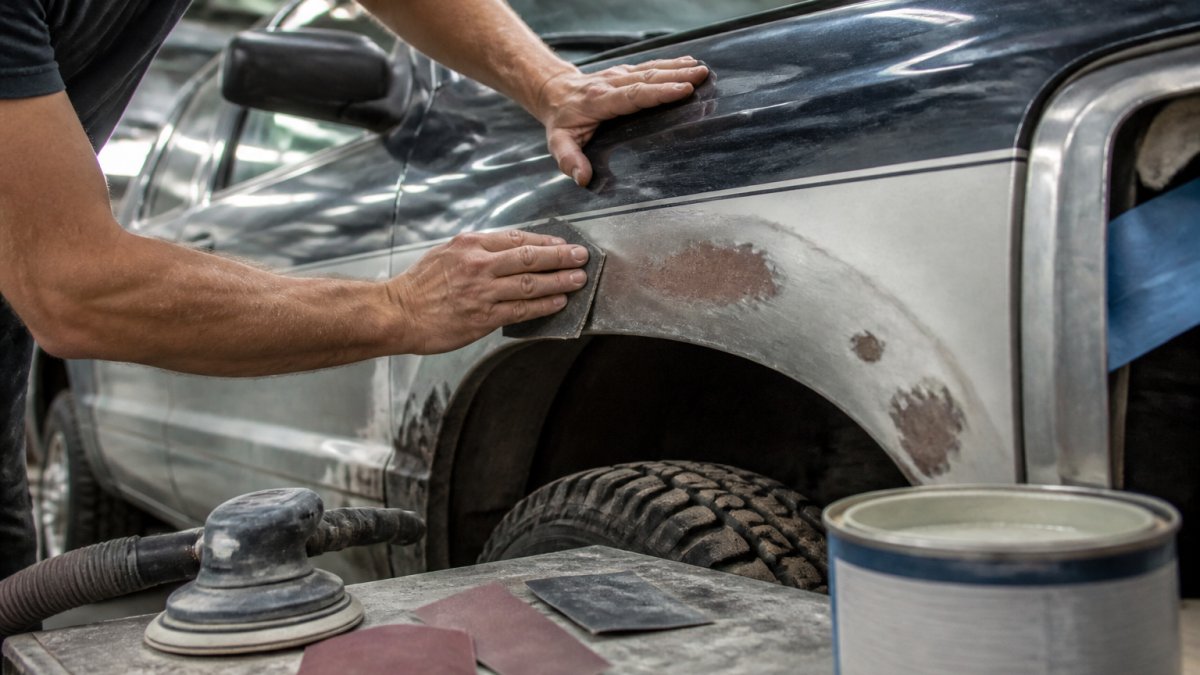
Rust can affect areas such as wheel arches, rocker panels, cab corners, and the frame near mounting points.
Repair Quality Verification and Post-Repair Testing
Repair quality can be evaluated through appropriate checks for the work performed.
For owners who want a second opinion on shop selection, this guide on how to find the best local auto body repair for your vehicle covers what to look for before you commit.
Repair Versus Replace: Lifecycle Cost Decisions
The repair-versus-replace decision can involve considering the vehicle's condition and the costs involved.
Ask three questions: what is the truck worth now, what will it be worth after the repair, and how many more years of service will the repair realistically deliver? One shop for the whole vehicle. means body, paint, and mechanical work get evaluated together, so the decision reflects the whole truck rather than one system.
Your Truck Maintenance Checklist for Long-Lasting Repairs
A truck maintenance checklist can help organize routine maintenance.
- [ ]
- [ ]
- [ ]
- [ ]
- [ ]
- [ ]
- [ ]
- [ ]
Building a Truck Emergency Repair Kit for the Road
A truck emergency repair kit can help drivers prepare for roadside situations.
Request a Diagnostic Estimate From Gridline Auto
Gridline Auto integrates diagnostics with repair work.
At Gridline Auto, diagnostics come before repairs, body and mechanical work happen under one roof, and you get clear communication about what actually needs fixing. Tell us what your vehicle needs. and we'll walk you through the findings before any work begins.
Get started with Gridline Auto for body, paint, and mechanical repair services.
Frequently Asked Questions
What truck repairs are most common?
Truck repair needs vary by vehicle and its condition.
How can I make a truck repair last longer?
Start with a proper diagnosis before any parts are ordered. Use OEM-grade or better materials, follow the manufacturer's torque and coating specifications, and verify the fix with a post-repair road test. Keep up with a truck maintenance checklist so small issues do not compound. Durable repair techniques also include protecting bare metal immediately after bodywork to prevent corrosion from restarting under paint.
How do I prevent rust from returning after a truck rust repair?
Rust repair needs depend on the vehicle and the condition of the affected area.
What should I check before repairing a truck?
Gridline Auto integrates diagnostics with repair work and communicates about vehicle issues and repair steps.
How often should a truck be inspected after a repair?
Follow-up checks after a repair depend on the work performed and the vehicle.
What tools should I keep in a truck emergency repair kit?
Emergency-kit contents depend on the truck and the driver's needs.