 how-to
How to Get a Collision Repair Quote in Osprey
Last Updated: November 1, 2026
Quick Summary
To get a collision repair quote in Osprey, gather your registration, insurance card, claim number, deductible, police report number, and damage photos, then request an estimate from the shop of your choice. Photo estimates give a preliminary range, but final pricing is confirmed after an in-person inspection and teardown.
- Bring your deductible amount and claim number if you have already opened a claim.
- Photo estimates cannot confirm hidden structural, suspension, or sensor damage.
- Shops issue a supplemental estimate after teardown reveals additional damage.
- File the insurance claim before requesting the repair quote.
- You generally have the right to choose the shop that fixes your vehicle.
Table of Contents
- What to Prepare Before You Request a Collision Repair Quote
- Online Auto Body Repair Estimate: What Photos Can and Cannot Tell You
- What to Ask a Collision Repair Shop Before You Commit
- How to Compare Body Shop Estimates Without Missing Hidden Costs
- Insurance Claim Collision Repair Estimate: Timing and Paperwork
- Request Your Gridline Auto Estimate
- Frequently Asked Questions
What to Prepare Before You Request a Collision Repair Quote
Getting a collision repair quote starts with preparation, not paperwork. The more detail you bring to intake, the faster a shop can move from a rough estimate to a real repair scope.
Collision repair restores a vehicle's structure, panels, and finish after an accident; a repair estimate is the written breakdown of labor, parts, and materials needed. A credible estimate depends on what the shop can see and verify.
Documents and Details That Speed Up Your Estimate
Bring these to your appointment and the intake process moves faster:
- Your vehicle registration and insurance card, if a claim is involved
- The police report number or crash report, when one was filed
- Photos of the damage taken at the scene, before anything was moved
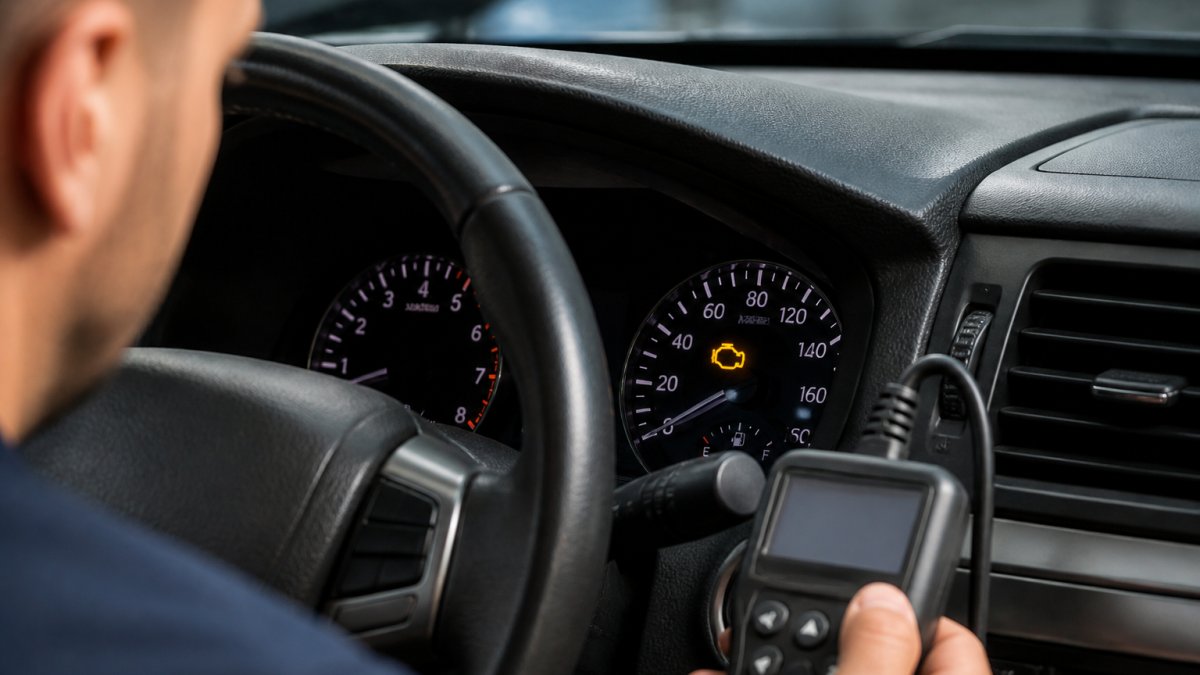
One point most drivers miss: mechanical symptoms belong in the conversation from day one. A misaligned bumper is obvious; a bent suspension component or damaged radiator support is not, and those change the repair scope significantly.
Online Auto Body Repair Estimate: What Photos Can and Cannot Tell You
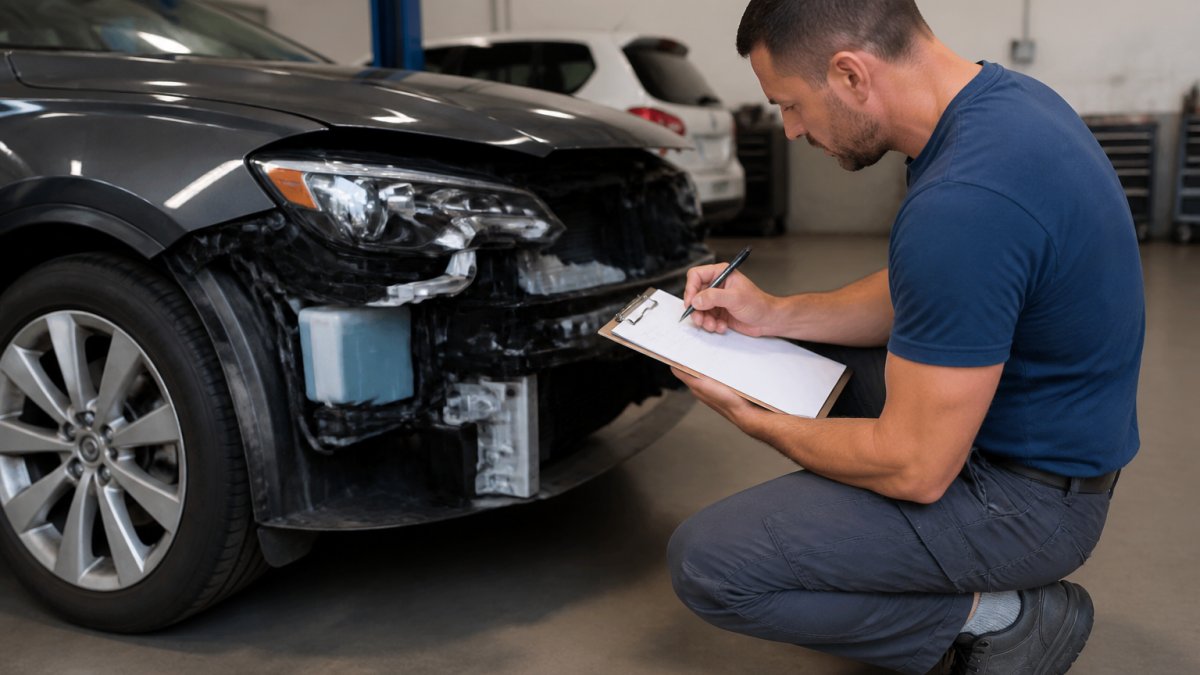
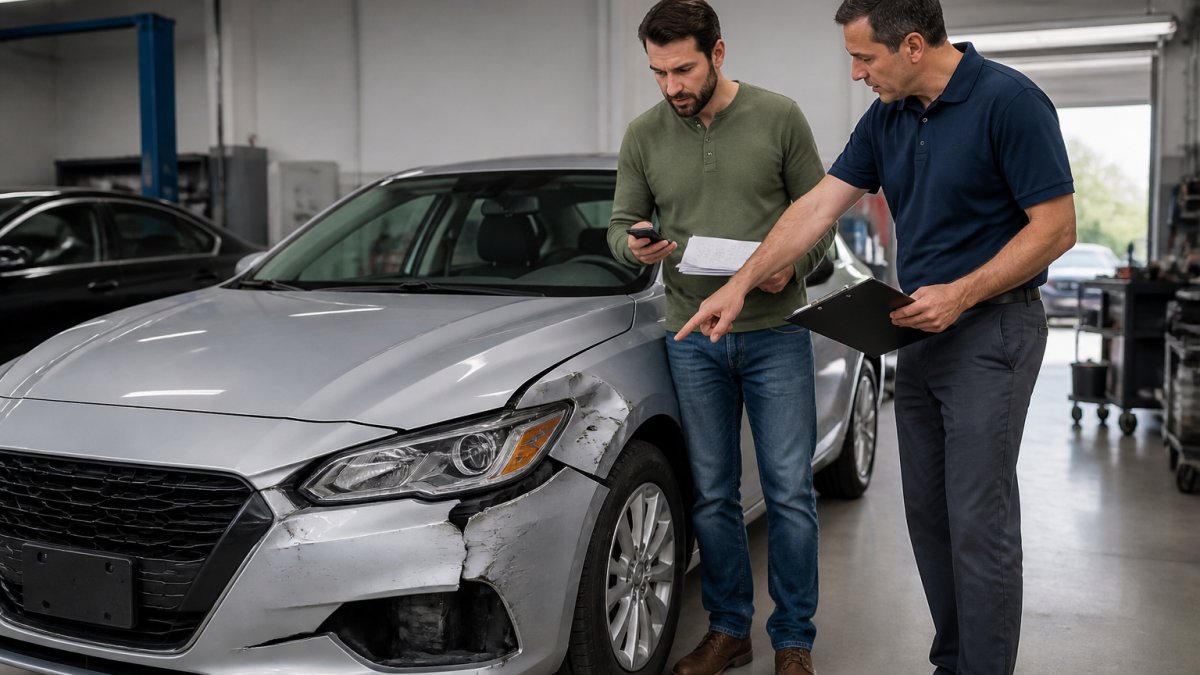
An online auto body repair estimate is a useful first step, but it is not a final price. Photo-based estimates give you a ballpark and start the scheduling conversation.
Shops across the industry now offer contactless photo submissions as an entry point. Alset Collision's explanation of photo estimates notes that final pricing is confirmed after an in-person inspection, which matches what we tell every customer who sends photos first.
What a Photo Estimate Can Actually Establish
A photo set gives an estimator three things: the location and rough size of visible damage, the panels and lamps involved, and a first read on severity. That is enough for a preliminary range and a drivable assessment, but not a binding number.
Here is the honest breakdown of what photos capture and what they miss:
| Photo estimates handle well | Photo estimates cannot confirm |
|---|---|
| Visible panel damage | Hidden structural damage |
| Paint and finish scuffs | Suspension or steering damage |
| Broken lights and glass | Sensor and calibration needs |
| Rough severity assessment | Final labor hours and parts list |
| Drivable vs. non-drivable status | Whether the frame or unibody is bent |
Why the Number Changes After Disassembly
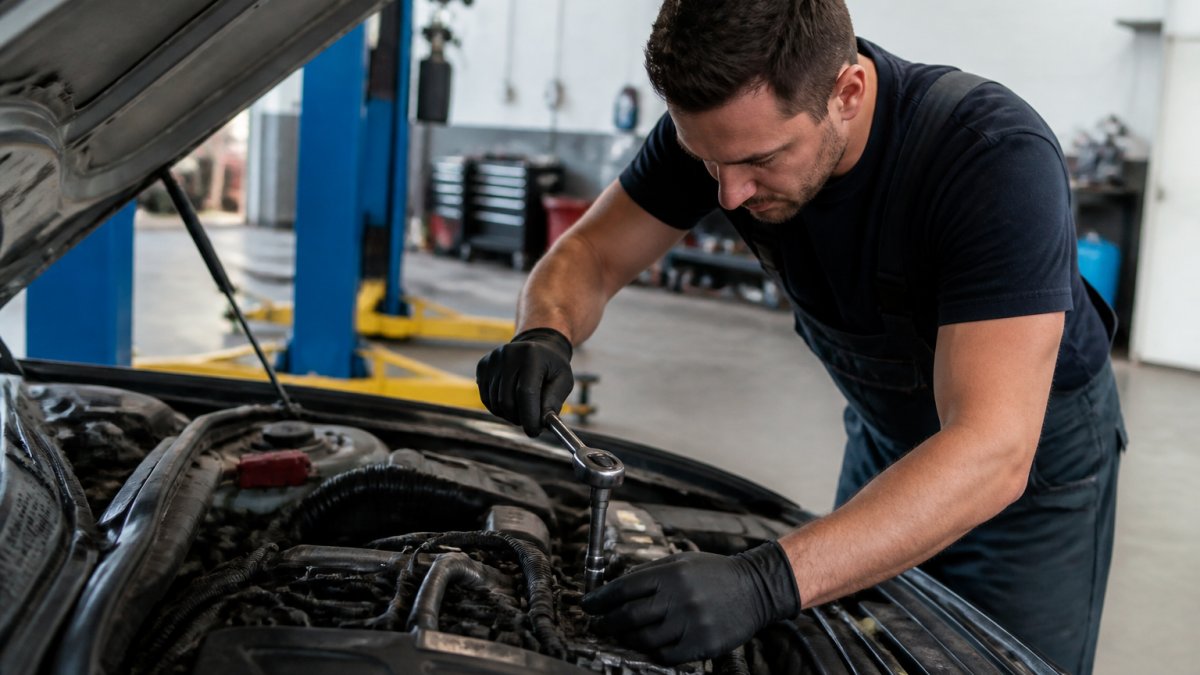
A photo estimate and a final repair order are two different documents, and the gap between them is normal, not a bait-and-switch. Bumper covers, fenders, and quarter panels hide the parts that absorb energy in a collision. An estimator looking at a photo sees the cover; a technician on a lift with the cover removed sees the reinforcement bar, absorber, radiator support, wiring harness, and sensor brackets behind it.
That is why most shops write an initial estimate from visible damage and then issue a supplemental estimate after teardown. The supplemental is not an upsell; it is the difference between what a camera can see and what a wrench can reach.
Modern vehicles raise the stakes. Auto Body News reporting on 2026 collision trends notes that calibrations now appear on more than a third of estimates, because driver-assistance sensors mounted behind bumpers and windshields need recalibration after many collisions.
How to Submit Photos That Produce a Usable First Estimate
If you are going to start with photos, submit a set that gives the estimator something to work with:
- One wide shot per corner of the vehicle, taken from about 10 feet back, so the estimator can see how panels line up.
- Close-ups of each damaged area from two angles, with a tape measure or a coin in frame for scale.
- A shot of the gap lines between the damaged panel and the adjacent panel, uneven gaps are one of the few photo-visible signs of structural movement.
When to Skip the Photos and Book an Inspection
Some damage does not benefit from a photo-first process. If the airbags deployed, a wheel is visibly out of alignment, a door will not open or close, or the vehicle is not drivable, book an in-person inspection. Those conditions point to structural or suspension damage that a photo estimate will only underestimate.
What to Ask a Collision Repair Shop Before You Commit
Ask any collision repair shop four questions before you hand over the keys: who writes the estimate, what happens if hidden damage appears, how the shop handles insurance, and what warranty covers the work.
Our short list of questions worth asking in person:
- Will you put the estimate in writing with parts and labor itemized?
- What is your process for a supplemental estimate if the teardown reveals more damage?
- Do you handle the insurance claim paperwork, or do I?
That last question matters more than most drivers expect. Gridline Auto provides collision repair, paint, refinishing, diagnostics, maintenance, and mechanical repair in Osprey, Sarasota, and the surrounding Gulf Coast.
How to Compare Body Shop Estimates Without Missing Hidden Costs
Compare body shop estimates line by line, not by the bottom number. The cheapest quote is often the one with the most gaps, and those gaps get filled later as supplements.
Watch for these differences when you stack two estimates side by side:
- Parts sourcing. Aftermarket versus OEM versus recycled parts changes both cost and fit. Ask which category each line item falls into.
- Labor rates and hours. A low hourly rate paired with inflated hours is not a savings.
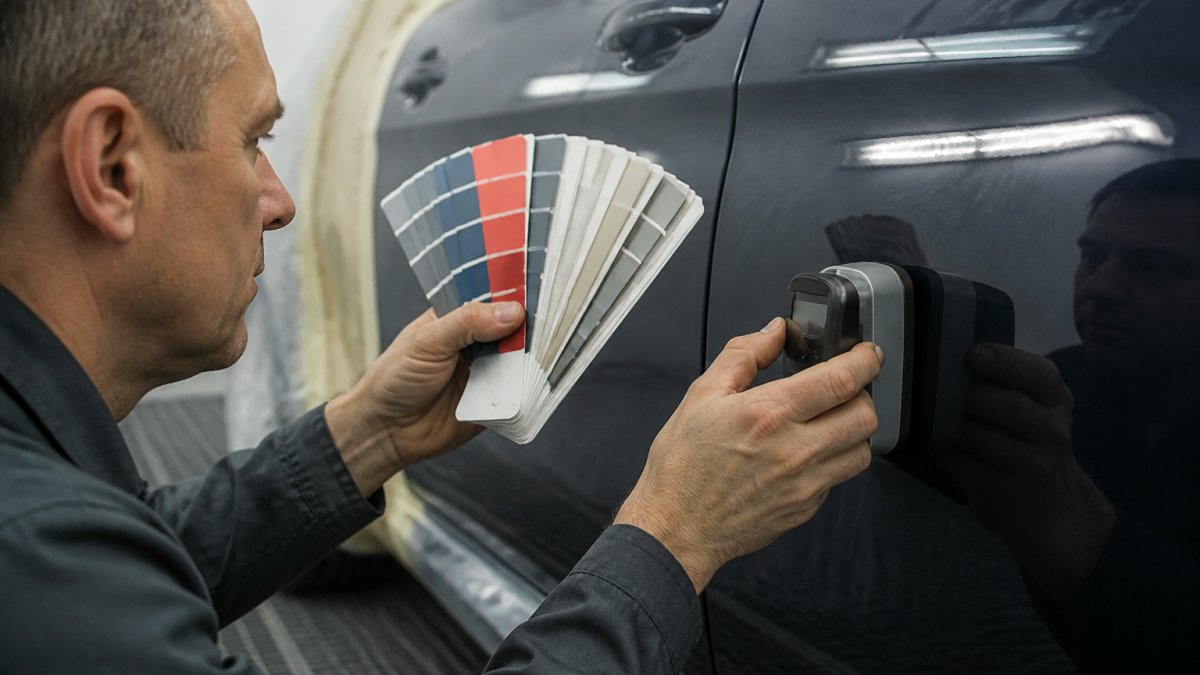
- Paint and refinishing. Blending adjacent panels for a color match adds labor. If one estimate skips blending, ask why.
Paint is where cheap estimates often hide the most, so check color matching line items closely.
Insurance Claim Collision Repair Estimate: Timing and Paperwork
File the claim before the repair quote if insurance is involved, and expect the two processes to run in parallel. Your insurer needs damage documentation, and the shop needs claim authorization before ordering parts.
The Sequence That Works
- Report the incident and open a claim with your insurer.
- Get your claim number and confirm your deductible in writing.
- Request the repair estimate from the shop of your choice.
- Review the estimate against your coverage before authorizing work.
- Approve the repair and let the shop coordinate with the adjuster.
- Review the supplemental estimate if teardown reveals additional damage.
- Keep the final invoice and the insurer's payment record together.
Whose Estimate Is It, Anyway?
This is the part most drivers get wrong.
The insurer's estimate is a coverage document: it establishes what the policy will pay for, based on what the adjuster could see and the insurer's labor rate and parts guidelines.
A first supplement often appears within a day or two of teardown, which is normal. What matters is whether the shop documents it clearly and whether the adjuster responds in a reasonable window.
You Choose the Shop
Under many state laws, you generally have the right to choose the repair shop that fixes your vehicle. Check your policy and your state insurance regulator's guidance for the rules that apply to you.
Deductibles, Total Loss, and the Number That Decides
Your deductible is the amount you pay before the insurer's share begins, and it comes off the top of the repair cost, not the bottom. If your deductible is $500 and the approved repair is $4,200, the insurer pays $3,700 and you pay the shop $500. Confirm the deductible before you authorize work so there is no surprise at pickup.
The other number that matters is the total-loss threshold. Insurers compare the cost of repair to the actual cash value of the vehicle, and when repair approaches that value, the vehicle may be declared a total loss instead of repaired. Go Colours' industry trend summary reports that repairable claims fell more than 10% in 2025 while total-loss frequency climbed to nearly 23%, meaning more vehicles are being declared a total loss rather than repaired.
Keep Every Document
Keep every document: the estimate, the adjuster's report, the authorization, each supplemental estimate, and the final invoice. Disputes are rare when the paper trail is complete.
Request Your Gridline Auto Estimate
The fastest path to a real number is a scheduled inspection with a shop that can see the whole vehicle.
Photo estimates only get you so far, and hidden damage often does not show up until the vehicle is on a lift.
Ready to move? Start your collision repair estimate or get our contact details and location to schedule a time that works for you.
Frequently Asked Questions
How do I get a collision repair quote?
Start by gathering your vehicle registration, insurance card, and photos of the damage. Then contact a local shop to schedule an in-person inspection or submit photos through an online estimate form. A photo estimate is a starting point; final pricing is confirmed after the shop inspects the vehicle. Ask whether the estimate includes calibration, paint refinishing, and parts, since those items affect the total. Request the quote in writing so you can compare it line by line with other estimates.
Can I get a collision repair estimate from photos?
Yes, many shops accept damage photos for an initial online auto body repair estimate. Photos help the shop gauge repair scope and give you a ballpark before you visit. They cannot reveal hidden damage behind panels, suspension issues, or calibration needs. Calibrations are often needed after a collision, and those needs are rarely visible in a photo. Treat the photo quote as a starting point and expect the final number after an in-person inspection.
How do I compare body shop estimates fairly?
Line up each estimate by repair scope: parts (new, used, or aftermarket), labor hours, paint and refinishing, calibration, and any diagnostic fees. Check whether the shop included a supplemental estimate process for hidden damage. Ask about warranty terms and turnaround time. A lower total that excludes calibration or paint work is not a real saving. Compare the written scope, not just the bottom line, and ask each shop to explain anything that looks different.
Should I get a repair estimate before contacting my insurance company?
You can, and it often helps to understand the damage first. Your insurance claim collision repair estimate will usually be written by the insurer's adjuster or a shop in the insurer's network, and the shop's estimate should align with it. Getting your own quote first gives you a reference point for the repair scope and deductible. Ask the shop whether it works with your insurer and can handle the claim paperwork, which reduces back-and-forth for you.